Chronische vermoeidheid
Wat is chronische vermoeidheidssyndroom?
Onverklaarbare, hardnekkige en langdurige vermoeidheid die niet het resultaat is van uitputtende inspanningen, die niet verbetert met rust en leidt tot een aanzienlijke vermindering van de beroeps-, sociale en persoonlijke activiteiten.
Om de diagnose ‘CVS’ te kunnen stellen moeten tenminste 4 van de volgende symptomen gedurende minstens 6 opeenvolgende maanden aanwezig zijn:
1. Geheugen- en concentratiestoornissen
2. Keelpijn
3. Gevoelige en gezwollen lymfeklieren in de hals en de oksels
4. Spierpijnen
5. Gewrichtspijnen zonder zwelling en roodheid van de gewrichten
6. Hoofdpijn
7. Niet-recupererende slaap
8. Slaapstoornissen (in- en/of doorslaapstoornissen)
9. Algemene malaise na een inspanning die langer dan 24 uur duurt
Basisbehandeling
Voor chronische vermoeidheid bestaat geen pasklare oplossing. Het syndroom vereist een totaalaanpak. Er zijn wel een aantal richtlijnen die iedereen kan toepassen en die voor iedereen werken.
| Zeker opnemen in je dieet | Elimineren uit je dieet | |
| Fruit | Vers en diepgevroren, zonder toegevoegde suikers; verse vruchtensappen zonder toegevoegde suikers | Sinaasappelen en sinaasappelsap |
| Groenten | Vers, rauw, gestoomd, gebakken, gegrild | Mais, tomaten |
| Zetmeel | Rijst, havermout, gierst, quinoa, amarant, teff, tapioca, boekweit, aard appelen | Tarwe, mais, gerst, spelt, kamut, rogge (alle producten die gluten bevat ten) |
| Graanproducten | Producten op basis van rijst, haver, boekweit, gierst, aardappelbloem, tapioca, pijlwortel, amarant of quinoa | Alle producten op basis van tarwe, spelt, kamut, rogge of gerst |
| Peulvruchten en plantaardige eiwitten | Alle peulvruchten (bijvoorbeeld erwten, linzen), behalve sojabonen | Tofoe, tempé, sojabonen, sojamelk en andere sojaproducten |
| Noten en zaden | Amandelen, cashewnoten, walnoten, Braziliaanse noten, sesam en sesampasta, zonnebloemen pompoenpitten, notenpasta’s (behalve pindakaas) | Pinda’s en pindakaas |
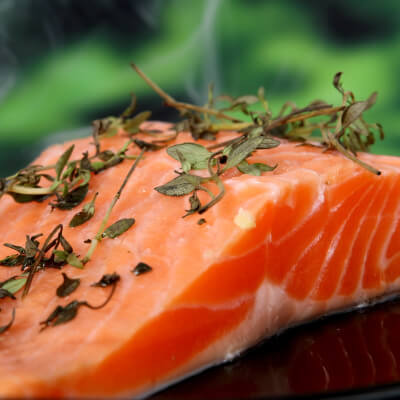
| Vlees en vis | Vis, kip, kalkoen, wild, lam, vers of diepgevroren | Rund, varken, kalf, charcuterie, vlees in blik, eieren, schaaldieren |
| Zuivelproducten en melkvervangers | Rijstmelk, amandelmelk, havermelk, kokosmelk | Melk, kaas, room, yoghurt, boter, roomijs, sojamelk, cottagecheese, kwark |
| Vetten | Koudgeperste olijf-, lijnzaad-, canola-, saffloer-, zonnebloem-, sesam-, walnoot- of amandelolie | Margarine, bakvet, gehydrogeneerde oliën (in alle bereide voeding, koekjes en industrieel gebak), mayonaise, bereide slaatjes |
| Dranken | Water, kruidenthee, mineraalwater | Frisdranken, alcohol, koffie, thee, cacao |
| Kruiden en specerijen | Alle kruiden, behalve die in de kolom hiernaast, met een voorkeur voor kaneel, komijn, dille, knoflook, gember, johan-nesbrood, oregano, peterselie, rozemarijn, dragon, tijm, kurkuma | Ketchup, mosterd, sojasaus, alle bereide sauzen |
| Zoetstoffen | Bruine rijststroop, zoetstoffen op basis van fruit, melasse, stevia, tagatose | Alle geraffineerde suiker en producten die suiker bevatten, honing, ahorn- en maisstroop |
Bij chronische vermoeidheid en fibromyalgie komen tekorten aan de volgende stoffen zeer vaak voor. Deze supplementen kun je uittesten en zien of de symptomen verbeteren. Ze zullen in elk geval je immuunsysteem versterken. De dosissen zijn dagdosissen.
– Co-enzym Q10: 200 mg
– Acetylcarnitine: 2 x 1000 mg
– Ribosepoeder: 3 x 5 g (een energiebron voor de spieren)
– Vitamine B12: 1-2 mg in de vorm van een tabletje dat je onder je tong laat smelten. Bij chronische vermoeidheid zie ik vaak ernstige tekorten aan vitamine B12, die ik het liefst toedien in de vorm van injecties. Ik streef daarbij steeds naar optimale waarden in het bloed en niet naar minimale waarden (de dosissen die ik toedien zijn 10 mg hydroxocobalamine per week)
– Magnesium: 400 mg
– Ginseng: 300-500 mg
– Rhodiola: 500 tot 1000 mg.
– Sylimarin: 300 mg, sulforaphaan: 50-100 mg, liponzuur: 400-600 mg (deze om de leverontgiftiging te stimuleren).
– Iodium: 250mcg + L-tyrosine: 500 mg (om aanmaak van schildklierhormoon te stimuleren: beide nutriënten zijn nodig voor de aanmaak van het schildklierhormoon Thyroxine-T4).
– Vitamine D3: 2000 -5000 iu per dag (in winter meer dan in de zomer, op voorwaarde dat je in de zomer veel buiten en in de zon komt).
– Slaap minstens acht uur per etmaal
– Beweeg elke dag minstens 30 minuten, op je eigen tempo
– Doe dagelijks relaxatieoefeningen (meditatie of andere)
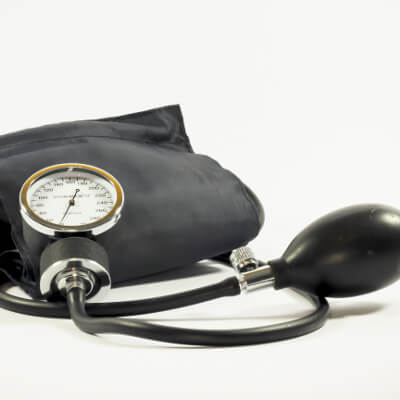
– Zorg ervoor dat je bloeddruk minimaal 11/7 is
– Vermijd amalgaamvullingen in je mond
– Zorg voor een goede darmflora (neem eventueel extra probiotica)
Een totaalaanpak
CVS vereist een multifactoriële aanpak. Een grondige ondervraging van de patiënt en een uitgebreid bloedonderzoek plus een 24-uur urine onderzoek zijn hier van fundamenteel belang.
De volgende punten worden onderzocht en behandeld waar nodig.